
When it comes to choosing the right countertop for your kitchen or bathroom, durability is one of the most important factors to consider. Two of the most popular options in the market today are granite and quartz. Both materials are known for their strength and aesthetic appeal, but when it comes to longevity and resilience, which one holds up better over time?
At Lux Granite of Knoxville, we understand the importance of selecting a countertop material that can withstand the wear and tear of daily life while maintaining its beauty. Whether you’re looking for granite countertops Morristown, TN, or quartz countertops, understanding the durability differences between the two can help you make an informed decision. In this guide, we’ll explore three key questions to help homeowners choose the right material for their space.
What Are the Key Differences Between Granite and Quartz in Terms of Durability?
Granite and quartz are both durable materials, but they have some fundamental differences when it comes to long-term durability. Understanding these differences will help you determine which material is the best fit for your needs.
- Granite Durability: Granite is a natural stone that forms over millions of years from molten rock. Due to its composition, granite is incredibly dense and highly resistant to scratching, chipping, and cracking. Granite countertops are heat-resistant and can withstand hot pans directly placed on them without sustaining damage. However, granite is slightly porous, which means it can absorb liquids if not sealed properly. If spills, especially from acidic liquids like wine or citrus, are left on the surface, they could lead to staining over time. That said, with proper sealing and regular maintenance, granite countertops can last a lifetime.
- Quartz Durability: Quartz countertops are engineered stone surfaces made from about 90-95% natural quartz crystals mixed with resins and polymers. Quartz is non-porous, which means it won’t absorb liquids like granite, making it more resistant to stains and bacterial growth. It is also highly resistant to scratches and chips due to its engineered composition. However, quartz is not as heat-resistant as granite. High temperatures from hot cookware can damage the surface, so it’s always best to use trivets or hot pads. While quartz is highly durable, it may be more prone to damage from excessive force, such as a heavy object dropped on the surface.
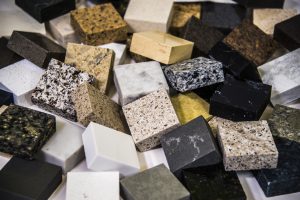
If you’re in the market for granite countertops Morristown, TN, granite is a great option if you’re looking for a natural stone that offers remarkable durability. On the other hand, if you want a non-porous surface that’s more resistant to stains, quartz may be a better choice for you. Lux Granite of Knoxville offers both options, ensuring that you get the durability you need for your kitchen or bathroom.
How Do Granite and Quartz Handle Heat and Scratches?
Both granite and quartz are strong materials, but they handle heat and scratches in different ways. For homeowners looking for countertops that can endure the everyday challenges of a kitchen or bathroom, it’s important to understand how each material reacts to these common threats.
- Granite’s Heat and Scratch Resistance: Granite is naturally heat-resistant and can handle temperatures of up to 1,200°F without sustaining damage. This makes it an excellent choice for busy kitchens where hot cookware is often placed on the countertop. However, while granite is resistant to scratches, it’s not entirely scratch-proof. Sharp knives or heavy utensils could leave marks if used directly on the surface. To protect the surface, it’s always recommended to use cutting boards when preparing food.
- Quartz’s Heat and Scratch Resistance: Quartz, being an engineered stone, is less heat-resistant than granite. Placing hot pans or cookware directly onto a quartz countertop can cause the surface to discolor or warp, as the resin used in its composition can be damaged by high heat. When it comes to scratching, quartz is highly resistant to damage, but it’s not immune. The resin content in quartz makes it more prone to scratching from sharp objects or heavy force, so it’s best to use cutting boards and trivets to protect the surface.
When it comes to granite countertops Morristown, TN, granite offers a higher level of heat resistance, making it a great choice for avid cooks who frequently place hot cookware on the countertop. On the other hand, quartz countertops offer exceptional scratch resistance but require more care when it comes to heat. For homeowners looking for granite countertops Morristown, TN, Lux Granite of Knoxville offers premium granite options that are ideal for heat-resilient applications.
Which Material Requires More Maintenance: Granite or Quartz?
Maintenance is an important consideration when choosing a countertop material, as it can affect both the longevity of the surface and the amount of time you spend caring for it. Let’s take a closer look at how granite and quartz compare in terms of maintenance requirements.
- Granite Maintenance: Granite countertops require more maintenance than quartz, primarily due to their porous nature. While granite is highly durable, it is important to have it sealed regularly to prevent staining from liquids and oils. The frequency of resealing depends on the type of granite and the level of usage in your kitchen or bathroom, but generally, sealing should be done every 1-2 years. Regular cleaning with warm water and mild soap is sufficient to keep granite countertops looking great. Avoid using harsh chemicals or abrasive cleaners, as they can damage the surface.
- Quartz Maintenance: One of the main benefits of quartz countertops is their low-maintenance nature. Since quartz is non-porous, it doesn’t need sealing, and it is more resistant to staining than granite. Cleaning quartz is simple—just wipe the surface with warm water and mild soap. Unlike granite, quartz doesn’t require regular sealing, and its non-porous nature means you don’t need to worry about liquids seeping into the surface. However, it’s still important to avoid using harsh chemicals or abrasive cleaners on quartz, as these can damage the surface.
For those looking for granite countertops Morristown, TN, granite is a great choice if you don’t mind a little extra maintenance. On the other hand, if you prefer a countertop that requires minimal upkeep, quartz may be the better option. At Lux Granite of Knoxville, we offer both granite and quartz options, ensuring that you can find the best material for your needs and lifestyle.
Conclusion: Which Countertop Material is More Durable—Granite or Quartz?
Both granite and quartz offer exceptional durability, but the best option for your home depends on your specific needs and preferences. Here’s a quick recap of how these materials compare in terms of durability:
- Granite: Granite is a natural stone that offers exceptional heat resistance and durability. It is scratch-resistant and can withstand high temperatures, making it ideal for avid cooks. However, it is porous and requires sealing to prevent stains and damage. Granite is the better choice if you need a countertop that can handle extreme heat and want the natural beauty of stone.
- Quartz: Quartz is an engineered stone that offers a non-porous surface, making it highly resistant to stains and bacteria. It is scratch-resistant but not as heat-resistant as granite. Quartz is ideal if you prefer a low-maintenance countertop that doesn’t require sealing and offers superior stain resistance.
For homeowners looking for granite countertops Morristown, TN, Lux Granite of Knoxville offers a wide selection of granite options that are both durable and beautiful. Whether you choose granite or quartz, our team is here to provide expert advice and installation services to help you find the perfect countertop for your home.
Ready to upgrade your kitchen or bathroom with beautiful, durable countertops? Contact Lux Granite of Knoxville today to explore our granite and quartz options and let us help you choose the right material for your space.